Buying a Used Trailer: The PPSR Check, VIN and Compliance Plate
4 min read
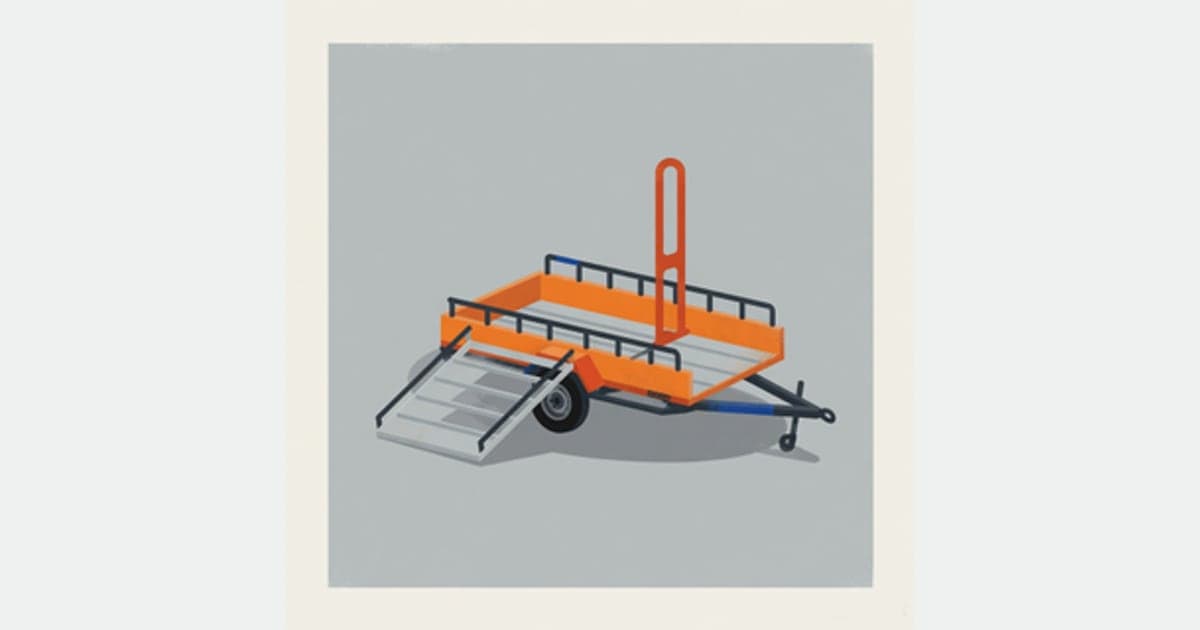
A trailer is property, and it can carry money owing on it or a stolen report exactly like a car can. Most buyers know to do this for a used car and never think to do it for a trailer, which is exactly why trailers are a soft target for exactly that kind of problem. Here's the actual check, step by step.
Search the PPSR before any money moves
The Personal Property Securities Register, run by AFSA at ppsr.gov.au, is the government register for encumbrances (money owing or finance owing on an asset), write-off status and stolen reports. Trailers with a VIN are searchable on it exactly like a car: by the 17-character VIN, by a chassis or identification number where there's no VIN, or by number plate if it's currently registered.
The search costs a couple of dollars and takes a minute. There's no reasonable excuse to skip it on a trailer worth buying. A clear result means the trailer isn't recorded as stolen and doesn't have registered finance against it. It is not a roadworthiness check and not a compliance check, it only tells you about money and theft status, so don't read more into a clear PPSR result than that.
One thing worth being direct about: Trailer Hire Near Me does not run PPSR searches on listings, and a trailer appearing on this site is not evidence that it's clear. That check is yours to run, every time, before you pay a deposit or hand over cash.
Match the VIN or chassis number to the compliance plate
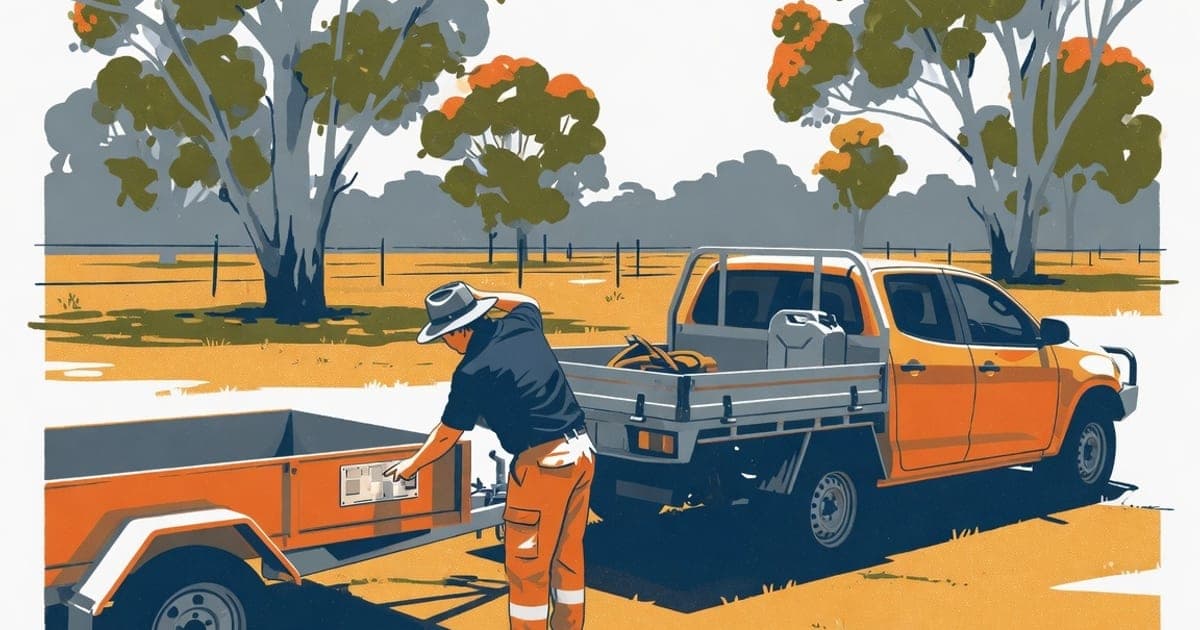
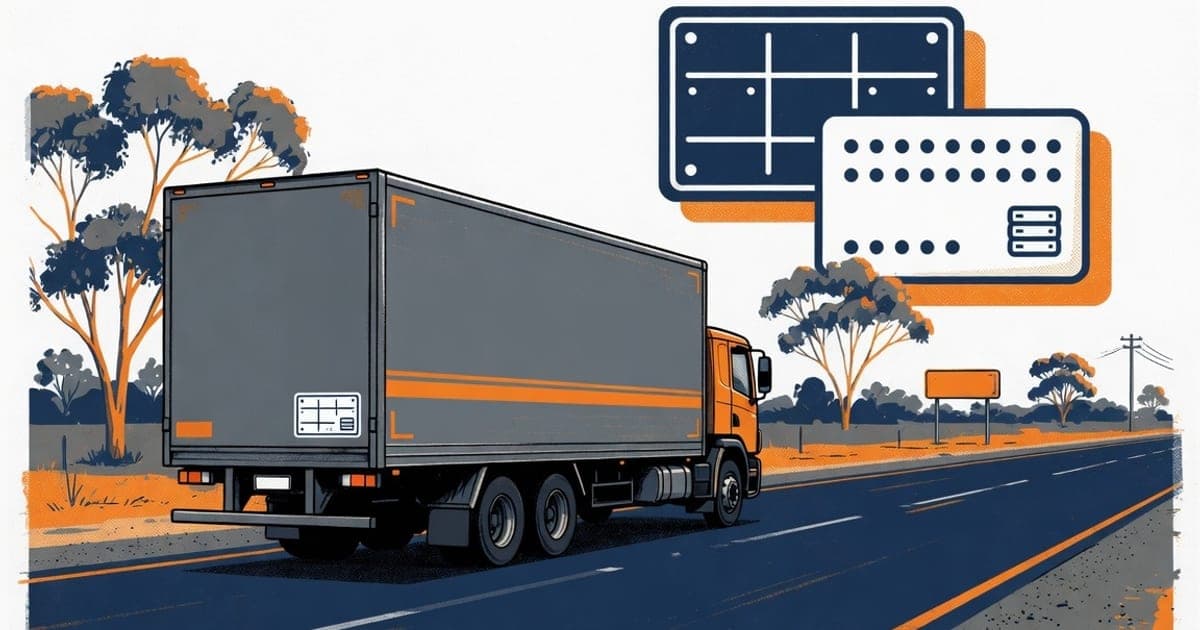
Every trailer should have identifying numbers stamped somewhere on the drawbar or chassis rail, and a compliance plate riveted to the frame. Before you pay:
- Physically locate the VIN or chassis/identification number stamped into the metal, not just printed on a plate that could theoretically be swapped.
- Check it matches the number on the compliance plate.
- Check it matches what the seller told you before you handed over any deposit, and what you searched on the PPSR.
If any of these three don't line up, stop and ask why before you go further. It's frequently nothing sinister on an older trailer that's changed hands a few times, but it's exactly the mismatch that matters when it isn't nothing.
New trailers: the RAV register changed things in 2023
Since 1 July 2023, when the Road Vehicle Standards Act 2018 took full effect, manufacturers and importers of "Low ATM Trailers" (essentially any towable trailer with an ATM of 4.5 tonnes or under, which covers nearly everything sold through this site) can no longer self-certify compliance under the old state-based regime. Instead, every such trailer first supplied new to the Australian market has to be entered on the federal Register of Approved Vehicles (RAV), a public online database, before it's sold.
That's genuinely useful for a buyer: for anything built and first sold new after that date, you can check the trailer's details against the RAV register yourself as an extra layer of verification, on top of the PPSR search.
Older and individually-built trailers are a different case
A lot of the used trailer market predates July 2023, or was built by a small manufacturer or an individual under a state-based individually-constructed-vehicle pathway rather than under RVSA/RAV. These trailers may carry a state-assigned identification or compliance number instead of a RAV entry, and that's normal, not automatically a red flag.
What it does mean is you shouldn't assume a state-assigned ID number carries the same weight as a full RAV entry, or vice versa. If a private seller tells you the trailer is "fully compliant" without being specific about which pathway it went through, ask them to show you the plate and explain what it's registered under, rather than taking the claim at face value.
What a private seller can and can't tell you
Private trailer sales in most states are sold as-is: there's generally no equivalent of a dealer's statutory warranty on a private sale, and the onus sits heavily on the buyer to check before paying. That makes the physical checks above, plate, VIN, PPSR, more important on a private sale than a dealer one, not less.
What a seller should be willing to do, and what's reasonable to ask for before you commit:
- Let you see and photograph the compliance plate and VIN/chassis number in person.
- Confirm whether the trailer is currently registered, and in which state, so you can check that matches what you find.
- Tell you honestly about any known brake, coupling or structural issues, even though there's no independent inspection forcing that disclosure the way a car sale sometimes has.
A seller who refuses to let you see the plate in person, pushes you to skip the PPSR search, or asks for a deposit sight-unseen before you can check any of this, is a genuine warning sign. Our safety guide covers the fuller list of red flags along with the inspection and payment sequence we'd recommend.
Before you check any of this, know what you're actually buying
The PPSR and plate check tells you the trailer is legitimately the seller's to sell and isn't stolen. It doesn't tell you whether the brakes are the right type for its mass, or whether your car can legally tow it. Run those checks separately: our trailer brake requirements guide covers what brakes a trailer needs by mass, and the ATM vs GTM guide covers matching it to your tow vehicle. Once you've bought it, trailer registration by state covers what to do next to get it into your name.
For a current look at this, see our guide on VSB1 Revision 6: What New Trailer Buyers Must Check.
For a current look at this, see our guide on How to Check if a Trailer is RAV-Listed Before Buying.