Trailer Brake Requirements in Australia: Unbraked, Override and Electric, by Mass
4 min read
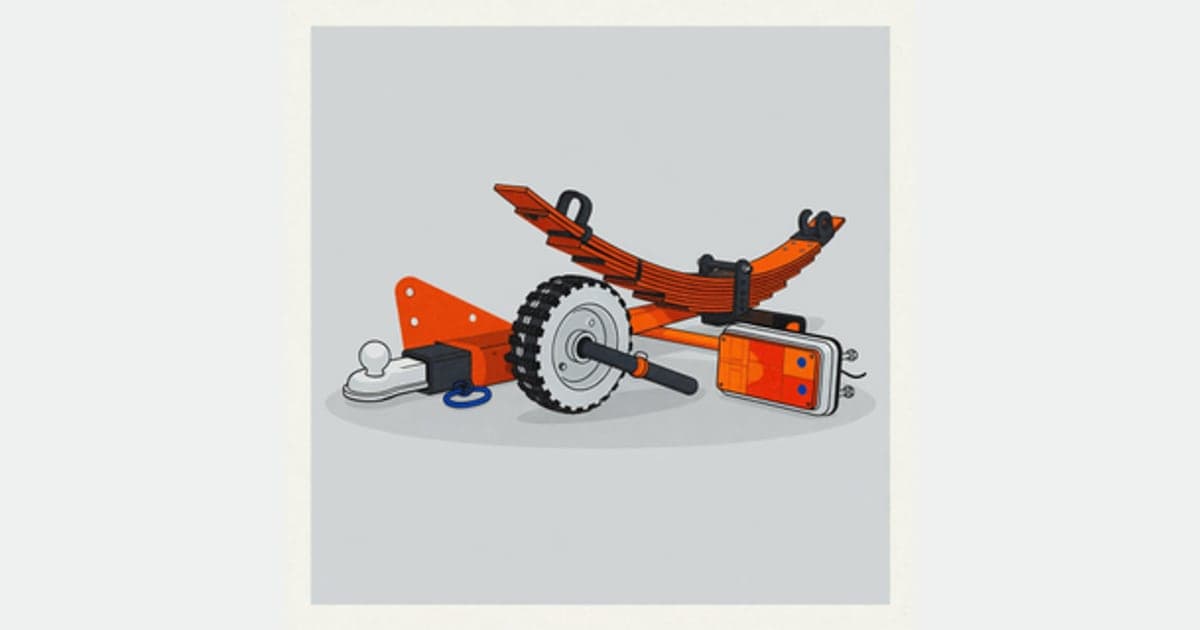
Trailer brake rules in Australia sit under VSB1, the national Vehicle Standards Bulletin that all states apply. The rules themselves don't vary state to state; what varies is some of the inspection paperwork and terminology, covered in our trailer registration by state guide. This post is about the mass thresholds and what brake type actually satisfies each one.
The three mass bands
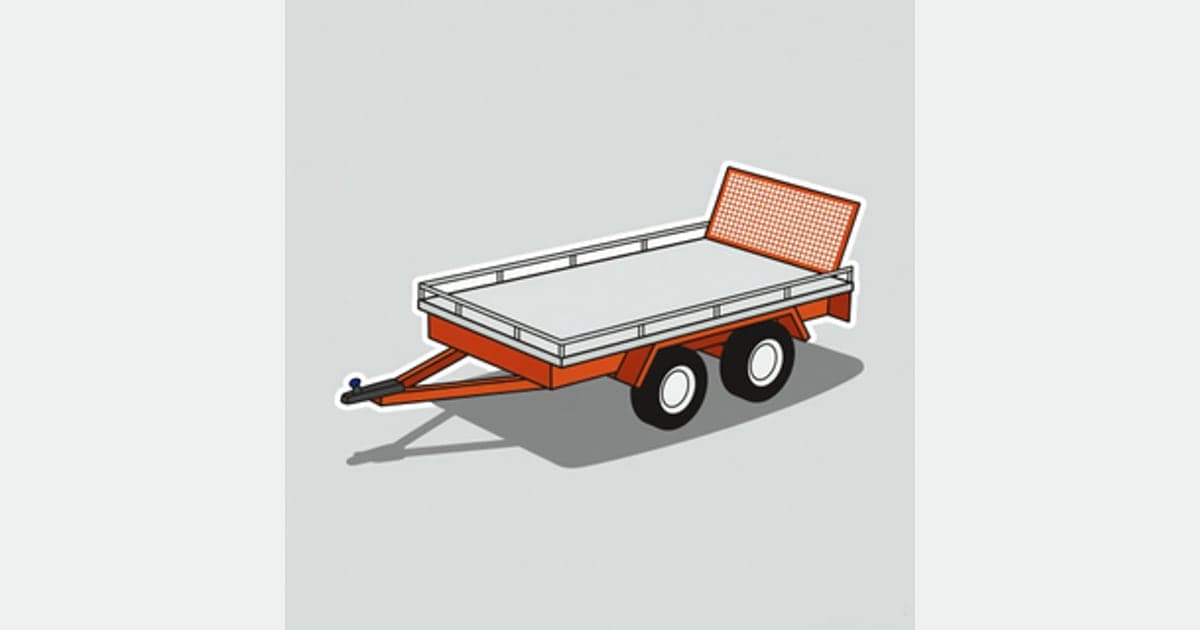
Up to roughly 750kg: no brakes required. A trailer at or below about 750kg needs no brakes fitted at all. This is why most small 6x4 box trailers, light box trailers and many single-boat trailers under this mass are sold and used with no brake system whatsoever.
Roughly 750kg to 2000kg: efficient brakes required, often on one axle only. Somewhere above 750kg and up to 2000kg, the trailer needs an effective braking system, though it doesn't have to brake every wheel. In practice, a mechanical (cable) override brake fitted to one axle is the trade-standard fitment at this tier, and it's the traditional choice on boat trailers in particular.
Above roughly 2000kg (up to the 4500kg ATM ceiling most car-licence trailers sit under): full brakes plus a breakaway system. Above this point the trailer needs brakes on every wheel, controllable by the driver from the cab, plus a battery-powered breakaway system that automatically applies the brakes and holds them on for at least 15 minutes if the trailer detaches from the tow vehicle while moving. NSW additionally requires a breakaway battery-charge monitor visible to the driver on trailers above 2000kg, so if you're registering or transferring a trailer there, check that requirement specifically with Transport for NSW.
A caveat that actually matters: GTM, not ATM
Here's the detail almost every consumer-facing summary skips: VSB1 sets these thresholds against GTM (Gross Trailer Mass), the trailer's mass with tow-ball download subtracted, not ATM (Aggregate Trailer Mass), the figure printed on almost every ad and compliance plate. Our ATM vs GTM guide walks through the difference and how to derive one from the other.
In practice this means a trailer listed at, say, 2050kg ATM could have a GTM under 2000kg once ball weight is subtracted, and the reverse is also possible. Don't take a bare ATM figure as proof of which brake band a trailer sits in. If it's close to a threshold, get the ball weight and do the subtraction, or run it through our ATM, GTM and tow capacity calculator.
The brake types you'll actually see on listings
Unbraked. No trailer brake system fitted. Legal only at or below the roughly 750kg GTM line.
Mechanical / cable override brakes. The coupling itself senses the tow vehicle decelerating and mechanically actuates the trailer's brakes through a cable linkage, no electrical connection or in-cab controller needed. This is the standard fitment through the 750-2000kg GTM tier and remains the traditional choice on boat trailers specifically, partly because it's simple and tolerant of being dunked in water at a boat ramp.
Hydraulic override brakes. Works on the same override principle as the mechanical version, but actuates the brakes hydraulically rather than through a cable. Also common on boat trailers.
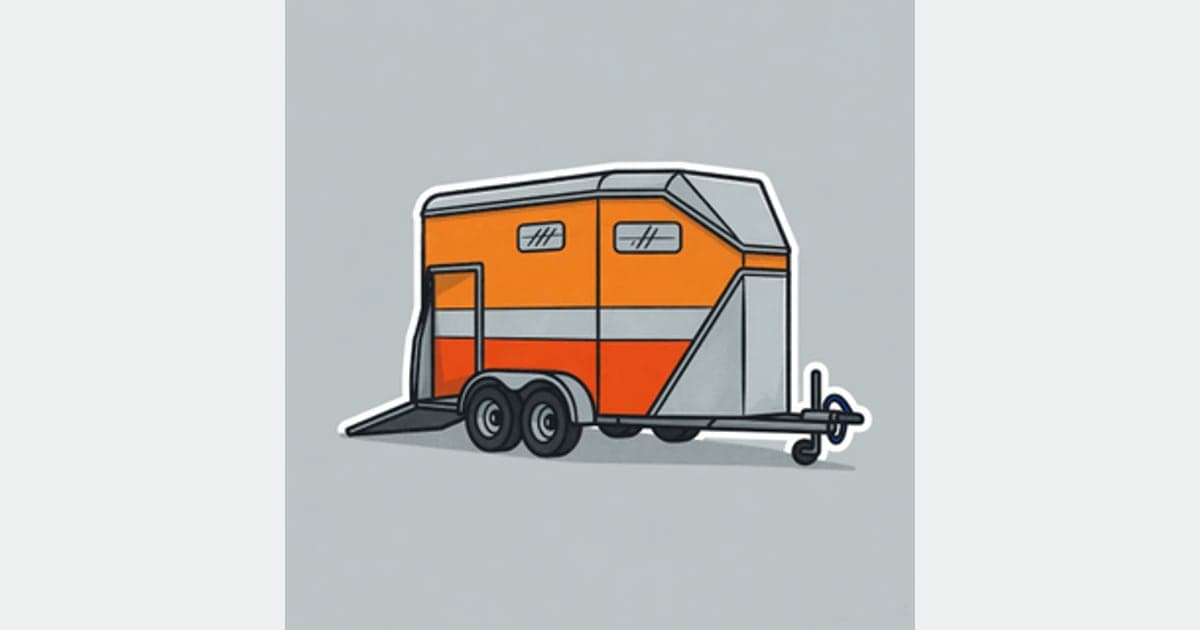
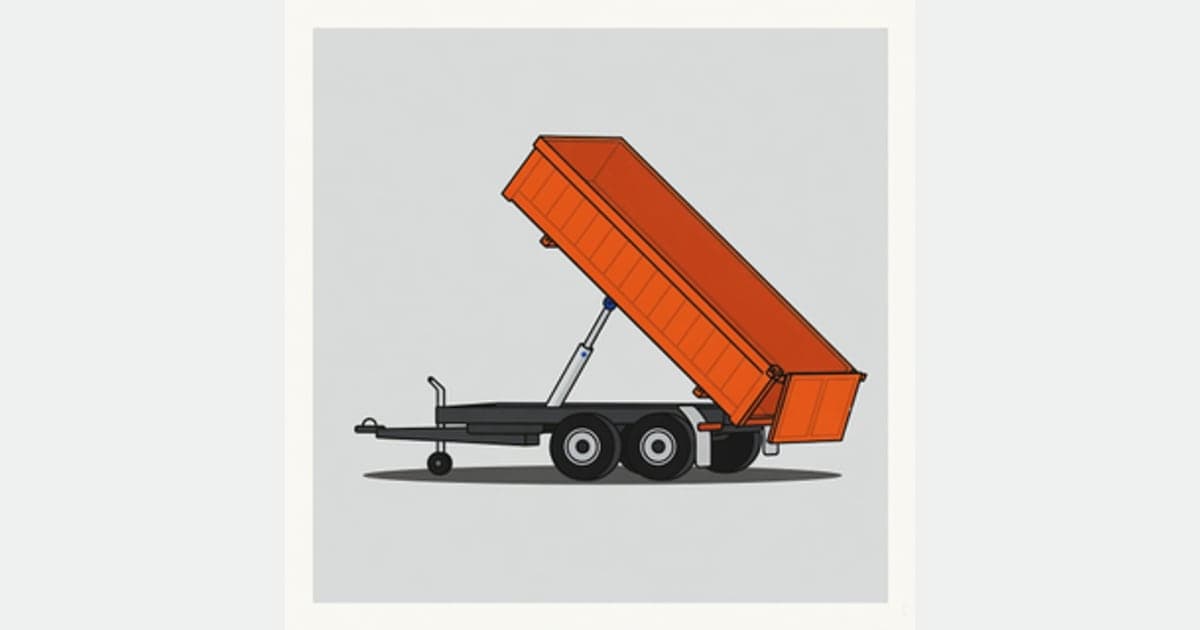
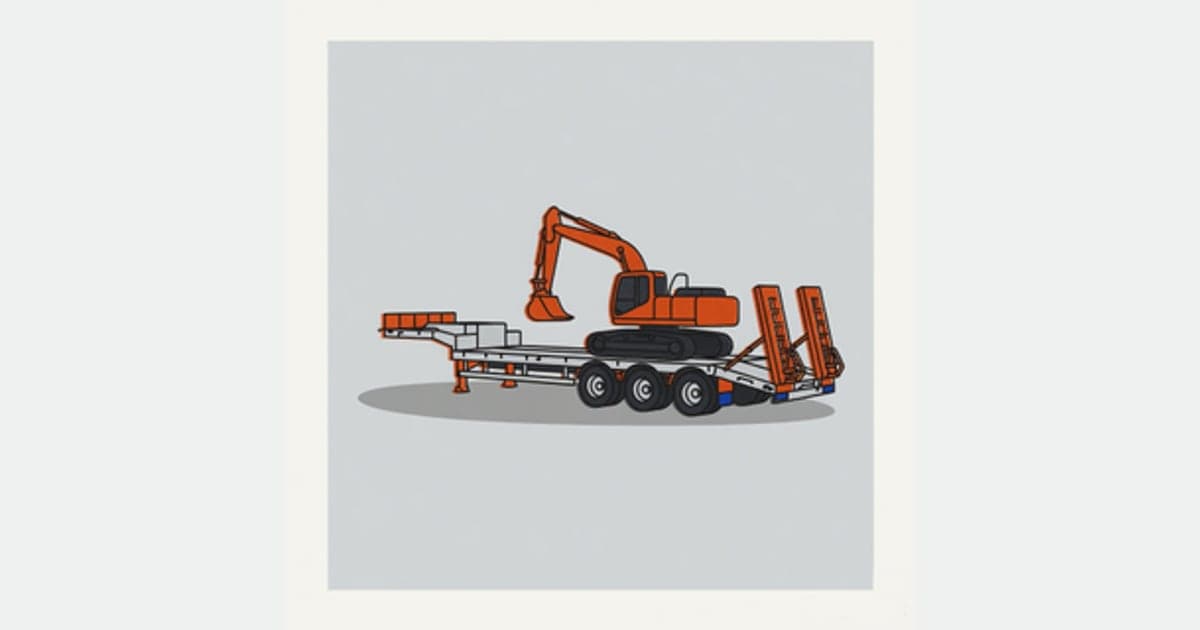
Electric drum brakes. Driver-controlled from an in-cab brake controller wired to the trailer, rather than triggered by the coupling. This is the standard fitment above the 2000kg GTM line on box, enclosed, tipper and plant trailers, and it lets the driver apply trailer braking independently of the tow vehicle's own brakes, which matters on anything heavy.
Electric or hydraulic disc brakes. A higher-spec option seen on premium and off-road-rated trailers, often paired with independent coil or torsion suspension rather than a shared leaf-spring beam. More common on camper trailers, boat trailers built for rough boat-ramp use, and higher-end plant trailers than on a basic box trailer.
Why this matters for buyers, not just compliance nerds
Brake type and condition affects three practical things when you're shopping a listing:
- Towing capacity. Most vehicles have a materially higher braked towing capacity than unbraked. A trailer without working brakes, or with a brake system that's seized or disconnected, may put you outside your vehicle's unbraked limit even if the ATM looks fine on paper.
- Licence and legal exposure. Towing an over-750kg trailer with no functioning brakes, or a heavier trailer with no working breakaway system, is the kind of defect that gets picked up at a random roadside check and can mean an on-the-spot defect notice.
- Resale and registration. A trailer presenting for a roadworthy or safety inspection with an override brake that doesn't actuate, or a breakaway battery that won't hold charge, won't pass. Budget for this before you buy something with "brakes need attention" in the ad.
Checking before you buy or hire
Ask the seller directly which brake type is fitted and test it, don't take a listing's word for it. For an override brake, check the cable moves freely and the linkage isn't seized. For electric brakes, check the magnets aren't worn through and the brake controller in the tow vehicle actually engages them. For anything above the 2000kg band, check the breakaway cable is present and the battery holds charge, since a flat breakaway battery is one of the more common reasons a heavier trailer fails inspection.
None of this is Trailer Hire Near Me confirming a listing's brakes are compliant. We list trailers and connect buyers, sellers and hirers; we don't inspect any trailer or verify a seller's claims. For the full pre-purchase checklist including PPSR and VIN checks, see buying a used trailer, and for ongoing upkeep once you own one, our trailer maintenance checklist covers what keeps a brake and breakaway system passing inspection year after year.