How to Check if a Trailer is RAV-Listed Before Buying
6 min read
Before purchasing a used or new low ATM trailer in Australia, always verify its listing on the Register of Approved Vehicles to confirm it meets the requirements of the Road Vehicle Standards Act for legal supply to the market. Low ATM trailers up to 4.5 tonnes aggregate trailer mass must have their vehicle and compliance information entered on the RAV before they can be provided to buyers. This check protects against non compliant units that may face registration issues or safety concerns. The process relies on the trailer's VIN and the public RAV search tool.
Understanding the RAV Requirement Under the Road Vehicle Standards Act
The Road Vehicle Standards Act establishes that manufacturers and importers of low ATM trailers must obtain appropriate approvals before supplying these vehicles to the Australian market. Trailers with an aggregate trailer mass of 4.5 tonnes or less fall under specific rules that replaced earlier compliance plate systems for many aspects of approval. Entry on the RAV serves as the official record that a trailer type complies with relevant Australian Design Rules.
This obligation applies to both new trailers entering the market and certain used imports or previously unregistered units. Buyers should treat the absence of a RAV entry as a red flag during any purchase. The legislation aims to ensure consistent safety and environmental standards across the trailer fleet.
VSB1 Revision 6, published on 29 July 2025, offers detailed guidance on ADR compliance specifically for these low ATM trailers under the current legislation. Readers can review the full bulletin on the Department of Infrastructure, Transport, Regional Development, Communications and the Arts website for technical specifications that approved trailers must satisfy.
Locating the Trailer Identification Number
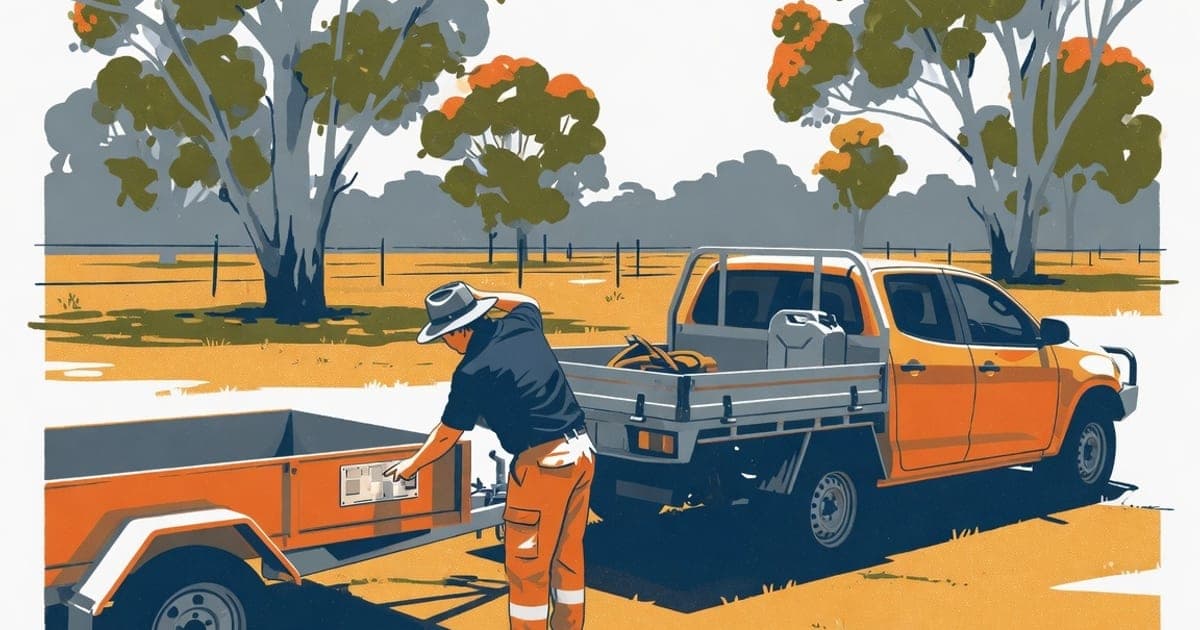
Every trailer carries a unique 17 character Vehicle Identification Number that serves as the primary key for RAV searches. This number is typically stamped on the chassis or frame, often near the drawbar or on a compliance plate affixed to the trailer body. Buyers should inspect the trailer in person or request clear photographs from the seller before proceeding with any transaction.
Some trailers also display the VIN on documentation such as previous registration papers or manufacturer records. Cross checking the physical marking against any paperwork helps confirm the trailer's identity. State transport authorities may require this verification during registration applications.
If the VIN appears altered or illegible, treat the trailer with caution and consider professional inspection. The RAV system relies on an accurate VIN match, so any discrepancies can prevent successful registration later.
Performing the Public RAV Search
Access the official RAV Public Search through the ROVER portal at https://www.rover.infrastructure.gov.au/RAVPublicSearch/. Enter the full 17 character VIN into the search field and submit the query to retrieve the trailer's record. The system returns details including mass ratings, manufacture date, tare mass and the date of RAV entry if the trailer is listed.
This search is free and available to the public without registration. Multiple state government sites, including those in Tasmania, direct users to the same portal for trailer checks. Perform the search yourself rather than relying solely on seller provided screenshots.
If the trailer does not appear in the results, note the exact VIN used and any error messages for further investigation. The search works for both new and used low ATM trailers that have been approved for the Australian market.
Interpreting the Information Returned by the RAV
A successful RAV entry confirms the trailer has met the necessary approvals under the Road Vehicle Standards legislation. The record typically includes key specifications such as aggregate trailer mass, gross trailer mass and compliance related dates that align with VSB1 Revision 6 guidance. These details help verify the trailer matches the advertised specifications.
Absence from the RAV does not automatically mean the trailer is unsafe, but it indicates it has not been formally approved for supply under current rules. In such cases, additional pathways like concessional RAV entry approvals may apply for limited numbers of trailers, though these are primarily for manufacturers and importers.
Compare the RAV data against the physical trailer and any seller documentation. Discrepancies in mass ratings or build dates warrant further questions before purchase.
State Registration Requirements and Variations
Registration rules for RAV listed trailers vary slightly by state and territory, though the federal RAV entry forms a common baseline. In Tasmania, for example, low ATM trailers without documented Australian registration history must appear on the RAV before becoming eligible for state registration from 1 July 2023 onward. Other jurisdictions reference the same federal database during their inspection processes.
Contact the relevant state transport authority to confirm any additional inspections or documentation needed alongside the RAV record. Some states may still require a physical trailer plate even when the vehicle is listed on the RAV.
Buyers planning to register the trailer interstate should check both the origin state rules and the destination state requirements. This step prevents delays after purchase.
What Happens if a Trailer Is Not RAV Listed
Trailers missing from the RAV may require the seller or buyer to pursue concessional entry approvals or other pathways depending on the circumstances. Manufacturers and importers face limits on concessional approvals, typically capped at four low ATM trailers per 12 month period. Individual buyers generally cannot apply directly for these approvals.
In practice, an unlisted trailer can create significant hurdles at registration time. Some states explicitly tie RAV presence to eligibility, making the check essential before committing funds. Professional advice from a licensed trailer inspector or transport consultant can clarify options in specific cases.
Consider walking away from unlisted trailers unless the seller can demonstrate a clear path to compliance. The risks include ongoing registration refusals and potential safety concerns.
Practical Buying Advice and Further Resources
Always combine the RAV check with other due diligence steps such as reviewing the compliance plate and conducting a physical inspection. Our guide at /blog/buying-a-used-trailer-ppsr-vin-compliance-plate explains how to cross reference VIN details with personal property securities register searches for added protection.
Compare multiple trailers through current listings at /listings to understand typical specifications for your intended use. For box trailer buyers, the dedicated resource at /blog/box-trailer-buyers-guide provides model specific considerations that complement the RAV verification process.
Consult the official low ATM trailers page at https://www.infrastructure.gov.au/infrastructure-transport-vehicles/vehicles/rvs/low-atm-trailers for the latest departmental guidance. VSB1 Revision 6 remains the key technical reference and is available via the infrastructure department publications section.
Why the RAV Check Matters for Long Term Ownership
A RAV listed trailer supports smoother registration renewals and potential resale value. Future buyers will perform the same check, so documented compliance reduces complications down the track. The system also contributes to overall road safety by ensuring trailers meet consistent standards.
Keep records of the RAV search results together with purchase documents. These can prove useful during any future state inspections or ownership transfers. Regular verification becomes especially relevant when trailers change hands multiple times.
By making the RAV search a standard part of the buying process, Australian trailer purchasers can proceed with greater confidence under the current regulatory framework.