VSB1 Revision 6: What New Trailer Buyers Must Check
5 min read
VSB1 Revision 6 brings clearer federal guidance on Australian Design Rules for new low ATM trailers up to 4.5 tonnes and requires every such trailer to appear on the Register of Approved Vehicles before it reaches the Australian market for the first time. Buyers purchasing a new trailer after the 29 July 2025 publication date must confirm RAV listing and compliance details to avoid non compliant vehicles that cannot be legally supplied or registered in most states. This shift replaces earlier self certification practices with mandatory government notification and makes verification a practical step for anyone acquiring a box trailer, boat trailer or similar unit.
What VSB1 Revision 6 Actually Covers
VSB1 Revision 6 assists manufacturers and importers of trailers with an aggregate trailer mass of 4.5 tonnes or less to understand the applicable Australian Design Rules under the Road Vehicle Standards legislation. It focuses on the most common trailer types and replaces the previous self certification approach that did not require government notification. The bulletin summarises requirements drawn from specific ADRs including lighting, braking, tyres and general safety.
Buyers benefit because the document presents the rules in an easier to read format than direct reference to the full ADRs. Western Australia transport authorities highlight that the revision supplies straightforward ADR information and ends the old self certification model. New trailers supplied after the update must follow these pathways rather than the earlier Motor Vehicle Standards Act process.
Confirming RAV Entry Before Purchase
Every low ATM trailer must have its vehicle and compliance information listed on the Register of Approved Vehicles before it can be supplied to the Australian market for the first time. This requirement applies to caravans, dog trailers, pig trailers and similar units. Without RAV entry the trailer cannot legally enter the supply chain.
Buyers should ask the seller or manufacturer for the RAV entry number or confirmation that the specific trailer appears in the database. The infrastructure department page on low ATM trailers explains that only after RAV listing can the vehicle be provided to consumers. Checking this detail protects against vehicles that fail to meet the new federal process.
Two Approval Pathways Manufacturers Follow
Manufacturers supplying four or fewer low ATM trailers in a twelve month period can use the concessional RAV entry approval route. This option requires a declaration of compliance with the relevant national road vehicle standards for each vehicle entered on the RAV. Larger volume suppliers must obtain a full vehicle type approval that covers the trailer category and allows multiple units.
The concessional pathway suits smaller builders while the type approval route demands evidence of design control, manufacturing consistency and a quality management system. Buyers of new trailers benefit from knowing which pathway applies because both result in RAV listing that can be verified. The department provides guides and checklists for each route on its website.
Lighting, Braking and Safety Chain Checks
New trailers must meet specific ADR requirements for reversing lamps, direction indicators, installation of lighting devices, passenger car tyres, trailer braking systems and general safety. VSB1 Revision 6 outlines the most common compliance methods for these items in plain language. Buyers should inspect the trailer for correct lamp placement, functional brakes where required by ATM and properly rated safety chains.
Western Australia circulars reinforce that suitable safety chains must be fitted even on trailers under 2.5 tonnes ATM. A full vehicle inspection after any modification also references these standards. Confirming these elements at purchase reduces the risk of later compliance issues during state registration.
State by State Registration Implications
All states now align with the RAV requirement for new low ATM trailers under the Road Vehicle Standards framework. Western Australia explicitly notes the update to Revision 6 and the move away from self certification. Other jurisdictions apply the same federal baseline while retaining their own registration and inspection processes.
Buyers should confirm with their state transport authority that the RAV listed trailer satisfies local rules before finalising a purchase. Some states may request additional documentation or inspections even when federal compliance is confirmed. Linking to resources such as the department low ATM trailers page helps buyers prepare for these steps.
Inspecting a New Trailer on the Lot
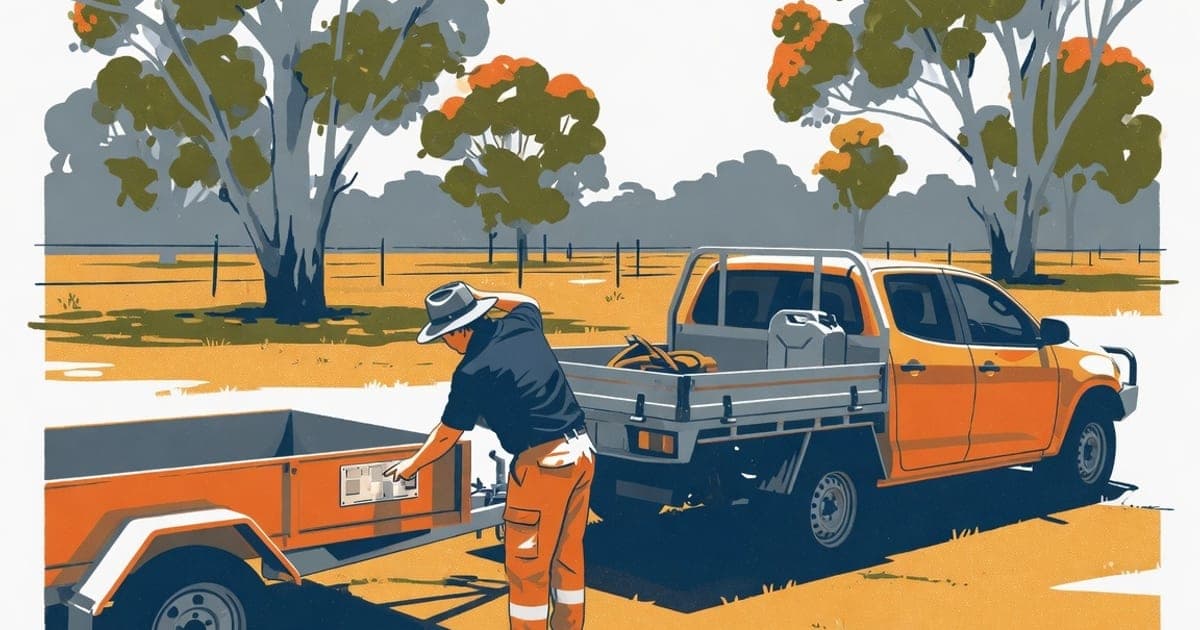
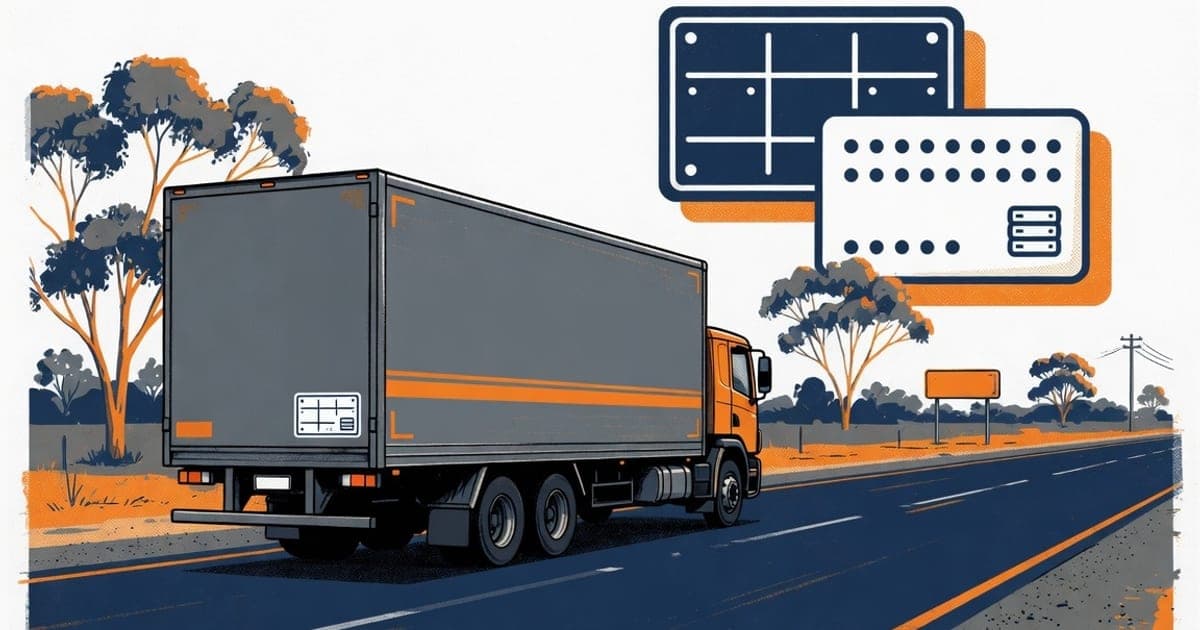
Walk around the trailer and verify the presence of a compliance plate or marking that references the applicable standards. Ask the dealer for the RAV entry confirmation and cross check the trailer identification against the database where possible. Test lights, brakes and couplings on site if the seller permits.
Compare the stated ATM against your towing vehicle capacity by reviewing the related guide at /blog/atm-vs-gtm-trailer-capacity-explained. This ensures the trailer suits your needs without exceeding legal limits. Document all checks with photos and notes before signing any agreement.
Resources and Further Reading for Buyers
The official VSB1 Revision 6 document is available as a PDF from the infrastructure department site and provides the full technical detail. The low ATM trailers page explains the RAV process and approval pathways in detail. Western Australia transport pages offer state specific context on towing and modifications.
For practical buying advice on specific trailer types explore the box trailer buyers guide at /blog/box-trailer-buyers-guide or the boat trailer buyers guide at /blog/boat-trailer-buyers-guide. These posts cover capacity, features and compliance considerations that complement the federal changes. Current listings of compliant trailers appear at /listings.
Avoiding Common Compliance Pitfalls
Do not accept a trailer that lacks RAV confirmation even if it carries an older style plate. Trailers supplied under the previous self certification regime may not meet the new notification rules. Verify the publication date of the standards the trailer claims to follow and confirm the seller understands the post July 2025 requirements.
Modifications after purchase can trigger additional approvals in states such as Western Australia. Always seek advice from approved consultants or the original manufacturer before altering a new trailer. Keeping records of the RAV entry and compliance declarations protects owners during future sales or registrations.
Planning Your Next Trailer Purchase
Start by confirming your intended trailer type and ATM against your tow vehicle specifications. Request RAV details early in discussions with sellers and cross reference the VSB1 Revision 6 guidance for the relevant ADRs. Use the concessional or type approval information to understand what the manufacturer has already completed.
Once the trailer is secured register it promptly with your state authority and retain all documentation. Regular checks of the department resources ensure you stay current with any future updates to the bulletin. This approach delivers a compliant trailer ready for safe use on Australian roads.