Box Trailer Buyer's Guide: Sizes, Single vs Tandem, Cage and Galvanised vs Painted
4 min read
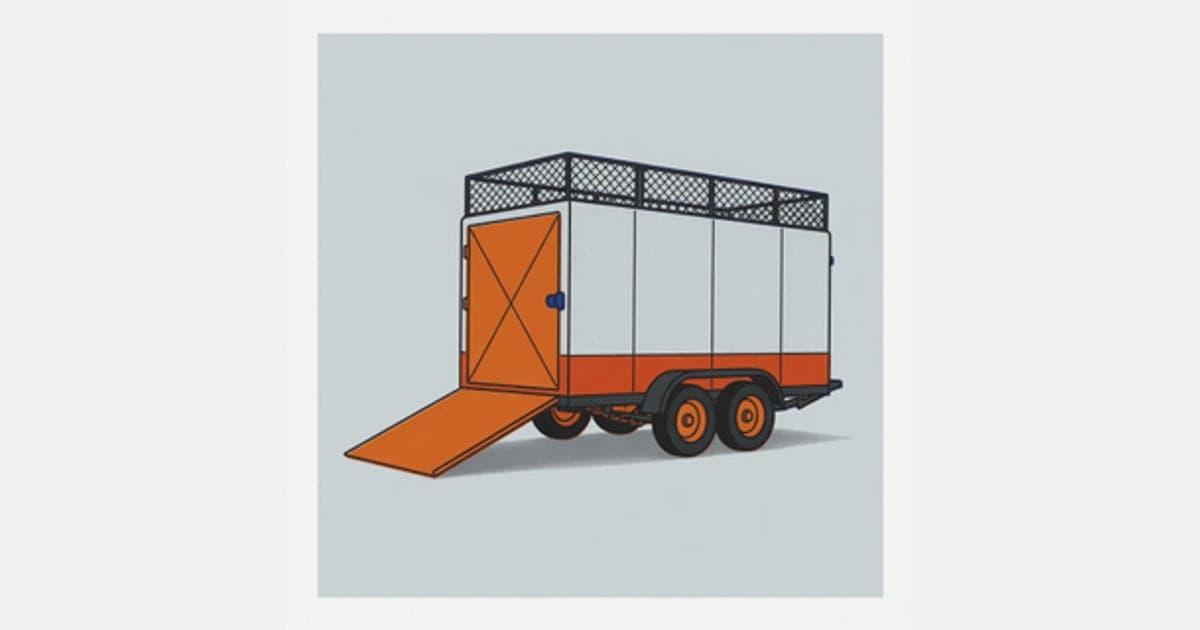
Box trailers are the biggest category on this site for a reason: they're the trailer most Australians actually own, from a 6x4 hauling green waste to the tip, to a tandem cage trailer running a full trailer load of building offcuts. The range is wide enough that "box trailer" alone doesn't tell you much. Here's what actually differs between listings.
Sizes and what ATM tier they sit in
Box trailer sizing is described by deck dimensions in feet, and it roughly tracks with ATM:
- 6x4 (around 1.8m x 1.2m deck): the small, single-axle end of the market, commonly sitting around the 750kg ATM mark, the point below which no brakes are legally required. This is the ubiquitous tip-run trailer.
- Small to mid tandem and single-axle box trailers in the roughly 1000-1600kg ATM range: bigger decks, still often single axle, sitting inside the 750-2000kg band where some form of brakes, usually a mechanical override brake, becomes standard practice.
- 8x5 tandem (around 2.4m x 1.5m deck): the classic tandem-axle box trailer, commonly sitting around the 2000kg ATM mark, right at the threshold where full electric brakes and a breakaway system become mandatory.
- Larger tandem cage and off-road-rated box trailers run up toward the 2500-3500kg ATM tier most car-licence trailers cap out at.
See our ATM vs GTM guide for how these ATM figures translate to actual brake requirements and towing capacity, since the exact threshold is measured against GTM, not the ATM figure printed on the ad.
Single axle vs tandem: the actual trade-off
A single-axle trailer is lighter (less tare weight eating into your payload), cheaper, easier to manoeuvre and reverse, and needs less maintenance since there's only one set of bearings, hubs and springs to service. It's the right choice for anything under about 1300-1600kg ATM where you're not routinely running it fully loaded.
A tandem-axle trailer spreads the load over two axles, which improves stability at speed and under braking, tows straighter with a heavy or uneven load, and is far more forgiving if you get a flat tyre on the move, since the other wheel on that side is still carrying its share. It's also what lets ATM climb up toward 3500kg while staying within reasonable tyre and axle ratings. The trade-off is more tare weight, a second set of bearings and brakes to maintain, and a wider turning circle when reversing.
If you're mostly hauling light, occasional loads, single axle is usually the better buy. If you're running heavy or bulky loads regularly, tandem earns its keep.
Cage, mesh and sides
A lot of box trailers on this market are sold with a removable mesh or cage side kit rather than a fixed high-side body, commonly in 600mm or 900mm heights. The removable design means the same trailer serves as a flat deck for building materials one weekend and a cage trailer for green waste or furniture the next, which is a big part of why cage trailers are the most common configuration on general-purpose listings.
Fixed high-side box trailers exist as a separate, less flexible option, generally chosen when the extra rigidity and permanently sealed sides matter more than the flexibility of a removable cage.
Tipping and drop-ramp variants
Two functional variants worth knowing about when you're comparing listings:
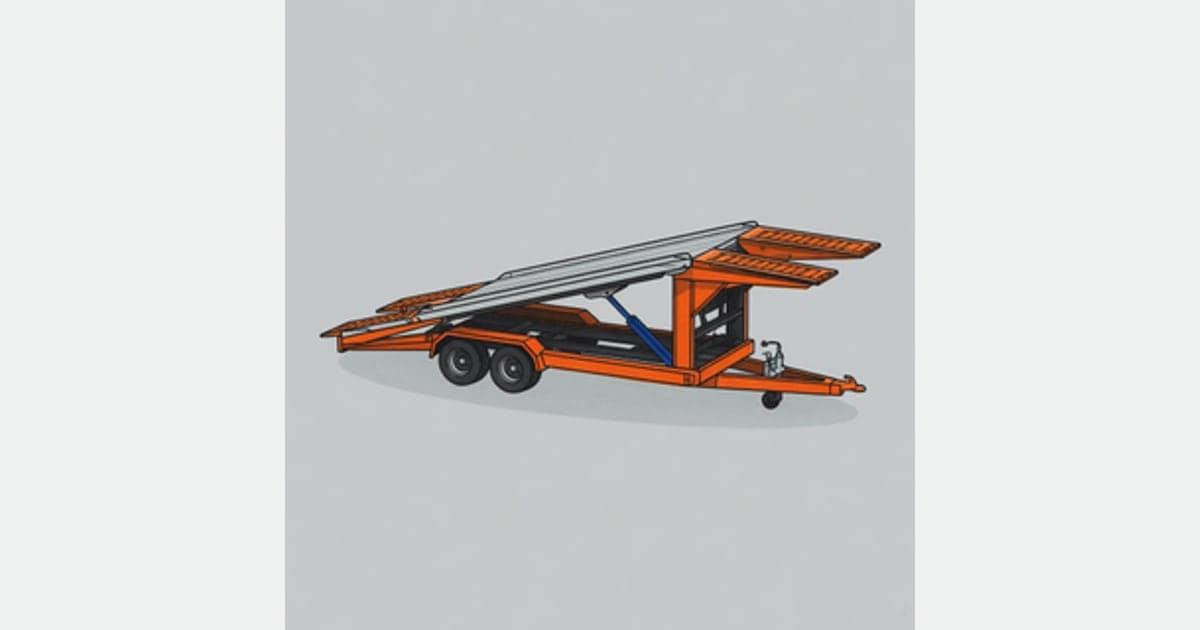
- Tipping box trailers pivot the tub to unload without shovelling, either a manual hand-tip mechanism on lighter single-axle units or a hydraulic ram-tip on heavier tandem trailers. Useful if you're moving loose material like soil, mulch or sand regularly.
- Box trailers with a drop ramp or gate let you wheel equipment, mowers or bikes straight on and off rather than lifting them over a fixed side, which matters if you're loading anything with wheels on a regular basis.
Galvanised vs painted: what you're actually paying for
Two finishes dominate the box trailer market:
Hot-dip galvanised steel is dipped in molten zinc, which bonds a corrosion-resistant coating to the whole surface, inside and out, including welds and edges a painter's brush never fully reaches. Several manufacturers market galvanised as their standard, default finish precisely because it's the more durable option long-term, particularly if the trailer lives outdoors or near the coast. It costs more upfront.
Painted steel is the standard lower-cost alternative across general box-trailer listings. It looks identical when new and can be perfectly serviceable for years, but paint is a surface coating: any chip, scratch or weld area not fully coated becomes a rust starting point over time, and touch-up paint never matches galvanising's coverage.
If the trailer will live outside permanently, especially anywhere near salt air, galvanised is worth the premium. If it's garaged and used occasionally, painted steel is a reasonable, cheaper choice, provided you're realistic about touching up chips before they spread.
Buying used: what to actually check
Beyond the general PPSR, VIN and compliance plate check that applies to any trailer, box-trailer-specific things worth checking in person: the chassis and drawbar for rust or previous repair welds, particularly underneath where it's hard to see from a listing photo; whether the cage or mesh sides are the original fit or a later addition that might not seal properly; tyre age and tread, since box trailers often sit unused for long stretches and tyres perish even with good tread remaining; and the brake system fitted, checked against what its ATM actually requires under our brake requirements guide.
Finding one
Browse current box trailer listings filtered by size, axle configuration and finish, or list your own if you're the one selling. Trailer Hire Near Me connects buyers and sellers directly; we don't inspect stock or hold funds, so run your own checks before you commit.