Hiring Out Your Trailer: Pricing, Bonds, Damage and What to Put in Writing
5 min read
A trailer sitting unused most of the week is a genuine asset, and plenty of owners hire theirs out between their own jobs. It works well when the terms are clear before the trailer leaves your driveway, and goes badly almost exclusively when they weren't. Here's what to actually settle upfront.
Before anything else, one thing worth being clear about: Trailer Hire Near Me lists trailers and connects owners with hirers. We don't set your hire price, collect or hold your bond, or manage damage claims between you and a hirer. Every term below is something you and the hirer need to agree directly.
Setting a rate
Start from what similar trailers actually hire for. Our trailer hire cost guide sets out indicative day, weekend and week rates by trailer type gathered from real Australian hire operators, from a small box trailer through to camper trailers and horse floats. Use it as a starting reference, then adjust for your local market and your trailer's condition and inclusions, since a well-maintained trailer with tie-downs, a jockey wheel and a decent spare fairly commands more than a bare-minimum unit.
Think about how you'll price short jobs versus longer ones too. A lot of the market prices a half-day or a few-hour minimum separately from a full 24-hour day rate, and camper trailers and horse floats commonly hire in a fixed weekend block (for example Friday afternoon to Monday morning) rather than a strict hourly count. Decide your own structure and state it clearly on your listing, don't leave a hirer to guess whether a Saturday-only booking is a half rate or a full day.
Choosing a bond model
There are a few different models operators actually use, and picking one clearly matters more than which one:
- A flat refundable bond, taken before handover and returned in full after you've inspected the trailer on return. Simple and well understood by hirers, but you need a way to actually hold and refund it.
- A damage-waiver excess instead of a bond: no money changes hands upfront, but you agree a capped amount the hirer is liable for if there's damage, rather than the full repair cost. This is common on higher-value trailers where a bond big enough to cover real damage would be an unreasonable amount of cash to ask a hirer to put up front.
- A cleaning fee plus full liability: seen mainly on horse floats, where the actual risk (a horse causing structural damage to bays, floor or fittings) is harder to cap with a flat figure than general trailer wear, so operators charge a modest cleaning fee and instead hold the hirer liable at full workshop-rate cost if something more serious happens.
Whichever model you choose, put a specific number or a specific liability limit in writing before the trailer leaves. "We'll sort it out if anything happens" is exactly the sentence that turns a minor scrape into a dispute.
What to agree in writing before handover
At minimum, put the following in writing, even if it's just a simple text message thread or a one-page agreement you both sign:
- Condition on handover. Photograph the trailer from several angles before the hirer takes it, including tyres, lights, coupling and any existing damage or wear. Do the same on return. This single habit resolves the large majority of "was that scratch already there" disputes before they start.
- What's included. State explicitly whether ratchet straps, a spare tyre, a tarp or a jockey wheel are provided, since none of these are consistently standard across the market and a hirer arriving expecting straps that aren't there is an avoidable bad first impression.
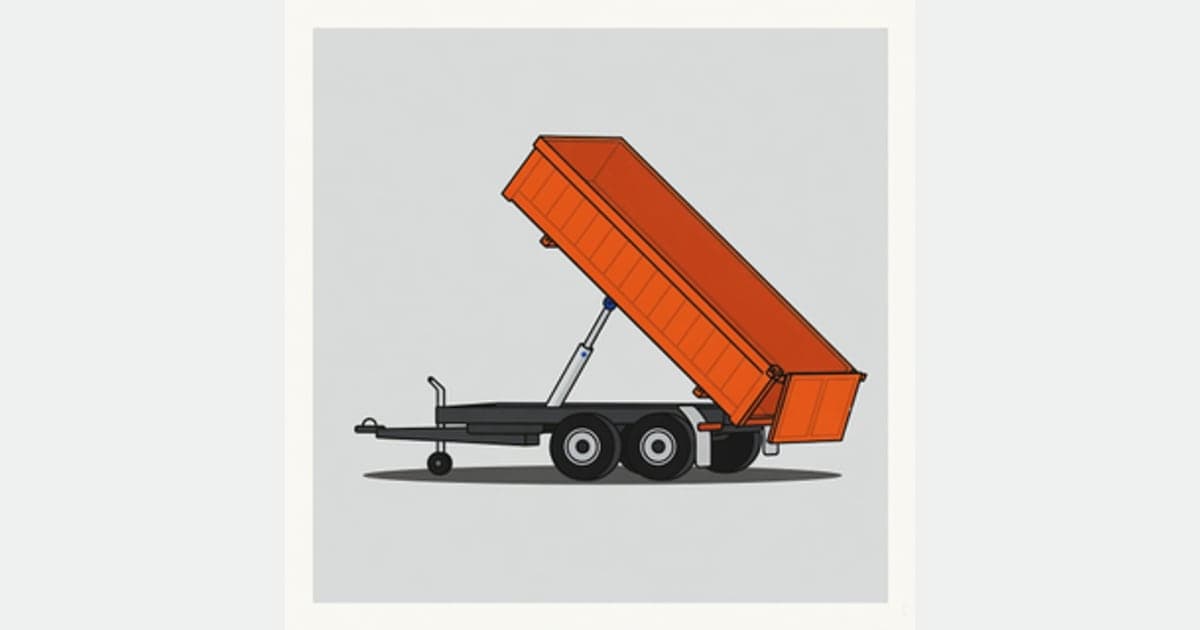
- Fuel, cleaning and tip fees, if relevant. On a tipper specifically, be explicit that tip or dump fees at a waste facility are the hirer's cost, not included in the hire rate, since this is genuinely easy to assume either way.
- Return time and late fees. State the exact return time and what happens if the trailer comes back late, whether that's an hourly or daily late charge.
- Who's responsible for return transport if something breaks down. A flat tyre or a coupling failure mid-hire needs a clear answer for who arranges recovery, before it happens, not during a phone call at the roadside.
- Minimum age and licence requirements. Set your own policy here rather than assuming. A standard car licence generally covers towing up to 4500kg ATM in most states, but that's a vehicle-licensing rule, not a hire-safety rule, and individual operators commonly layer their own minimum age (anywhere from around 18 to 21 depending on the operator) and a requirement that the licence be held unrestricted, not on learner's or provisional. Decide and state your own minimum before you hire to a stranger.
Insurance: check before you assume
Don't assume your own vehicle or trailer insurance covers a trailer while it's out with someone else, or that a hirer's car insurance extends to a trailer they're towing that isn't theirs. Most personal car policies don't automatically extend to a trailer you've hired out to someone else, and cover varies a lot by insurer and policy. Check your own policy's actual wording, and consider whether the bond or damage-waiver amount you're charging realistically covers a genuine repair bill if standard insurance doesn't apply. This is worth a direct call to your insurer rather than an assumption either way.
Brakes, mass and legal basics still apply
A trailer you're hiring out is still subject to the same brake and mass rules as one you're selling. If it's near the 750kg or 2000kg thresholds, know which side of the line it sits on and make sure the brake system is actually functional before it goes out; see our trailer brake requirements guide. Keep it maintained between hires using our maintenance checklist, since a trailer working for its living gets more wear than one parked most of the week, and a hirer with a breakdown is a far worse outcome for your reputation than a fresh set of bearings would have cost.
List your trailer for hire (or sale) on Trailer Hire Near Me, and set the rate, bond model and terms yourself. We'll connect you with hirers; the agreement itself is between you and them, so make it a clear one.